Oral & Maxillofacial Surgery

Dental Implant Surgery

Permanent, fixed replacement for missing teeth — titanium implants surgically placed by a specialist maxillofacial surgeon for long-lasting, natural-feeling results.

Overview

What Are Dental Implants?


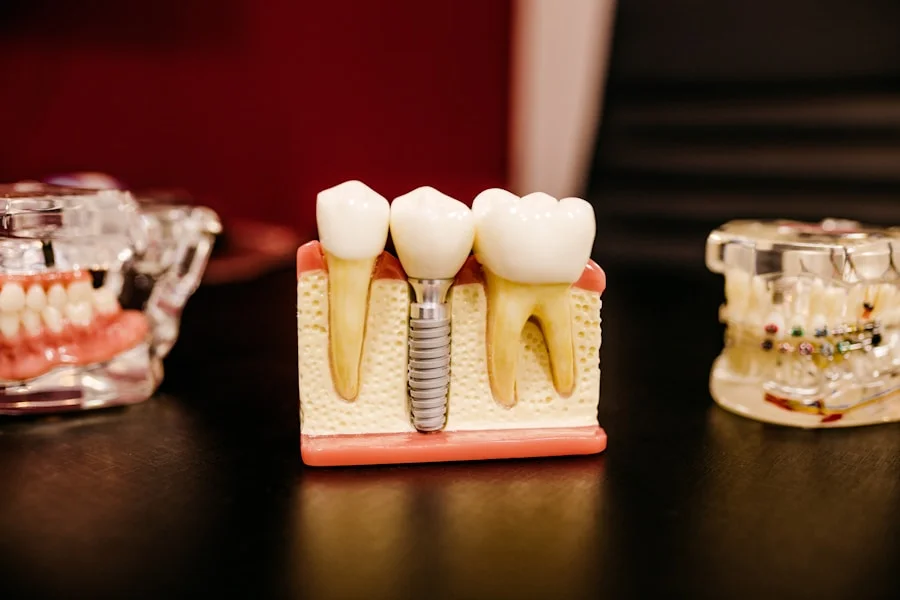
A dental implant is a small titanium screw surgically placed into the jaw bone to serve as the root of a missing tooth. Over a period of 3–6 months, the implant surface fuses with the surrounding bone through a process called osseointegration, creating a stable, permanent anchor for an artificial tooth (crown), bridge, or full-arch prosthesis.

Unlike conventional dentures or bridges, implants replace the tooth root as well as the visible crown — making them the most complete tooth replacement option available. They preserve jaw bone, maintain facial structure, and provide the closest functional equivalent to a natural tooth.

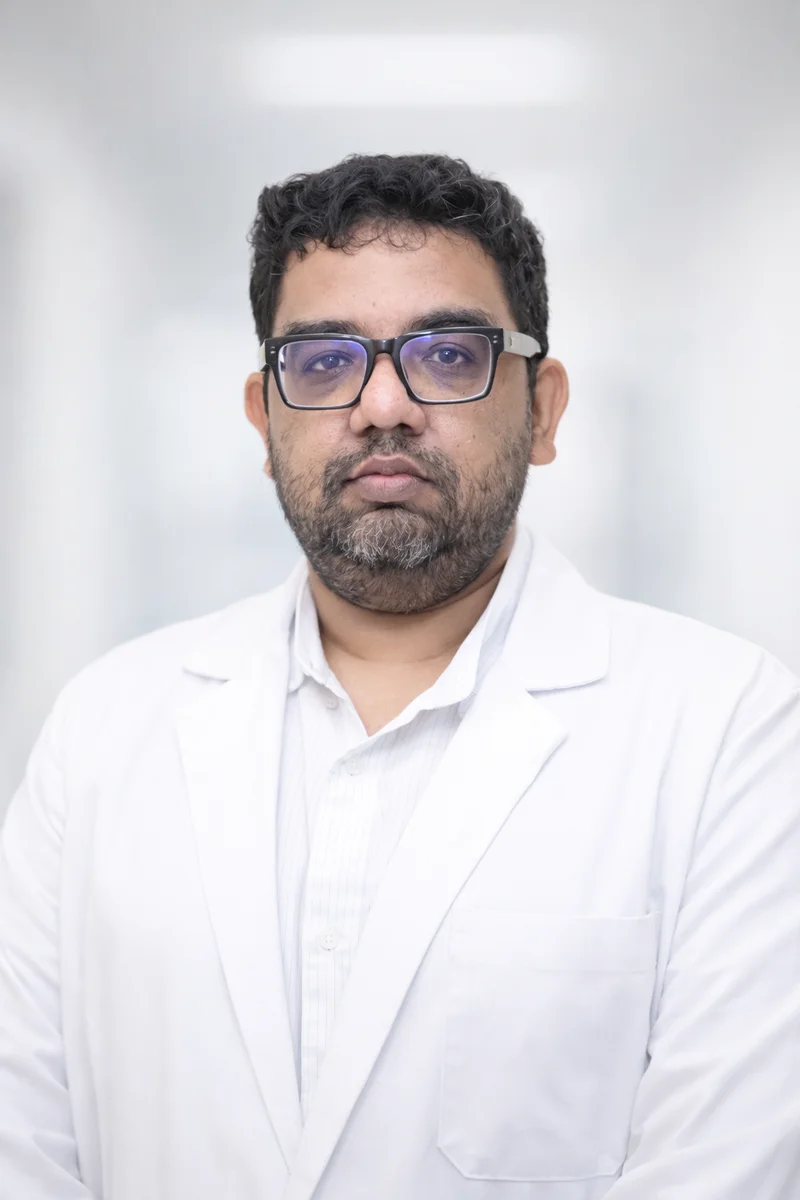
As a specialist oral and maxillofacial surgeon, Dr. Abhisek Chatterjee has both the surgical training and the anatomical expertise to place implants safely — including in complex cases involving limited bone, proximity to nerves or sinuses, or patients requiring bone grafting before implant placement.
Rampurhat, Birbhum
Maxillofacial Surgeon-placed
Bone grafting available
Implant Options

Types of Dental Implant Procedures

From a single missing tooth to complete full-arch rehabilitation — the right implant solution depends on the number of missing teeth, bone availability, and patient goals.

Single Tooth Implant

Replacement of a single missing tooth with a titanium implant and a crown. The implant is placed into the jaw bone where it integrates over 3–6 months (osseointegration). A custom crown is then fitted, restoring the appearance and function of the natural tooth without affecting adjacent teeth.

Multiple Implants

When several teeth are missing in different positions, individual implants can be placed for each tooth. This avoids the need for a removable partial denture and preserves the adjacent natural teeth. Each implant functions independently, making maintenance straightforward.

Implant-Supported Bridge

When multiple adjacent teeth are missing, two or more implants can support a fixed bridge spanning the gap. This eliminates the need for a removable denture while using fewer implants than placing one for each missing tooth. The bridge is fixed and functions like natural teeth.

Full Arch Rehabilitation

Complete replacement of all teeth in an arch using 4–6 strategically placed implants to support a fixed full-arch prosthesis (the All-on-4 or All-on-6 concept). An efficient solution for patients who are fully edentulous (toothless) or require full arch extraction. Provides a fixed, stable set of teeth supported by implants — vastly superior to conventional complete dentures.

Candidacy

Who Is a Candidate for Dental Implants?


Most adults who are missing one or more teeth are potential candidates for dental implants. A thorough evaluation is required to assess suitability. Ideal candidates generally meet the following criteria:

  • Good general health suitable for minor oral surgery under local anaesthesia
  • Adequate jaw bone volume and density to anchor the implant (bone grafting may expand candidacy)
  • Healthy gum tissue without active periodontal disease
  • Non-smoker or willing to quit smoking (smoking significantly impairs healing)
  • Well-controlled systemic conditions (diabetes, blood pressure)
  • Completed jaw growth (typically 18 years and above)
  • Commitment to long-term oral hygiene and maintenance
Patients who do not initially meet all criteria — due to bone deficiency, controlled medical conditions, or other factors — may still be candidates after appropriate preparatory treatment. A consultation with Dr. Chatterjee will clarify your options.
Treatment Process

Step-by-Step Implant Journey

Dental implant treatment is a staged process. Understanding each phase helps patients plan for the timeline and what to expect at each visit.

Evaluation & Treatment Planning

Comprehensive clinical examination, X-ray (OPG), and where needed, CT scan (CBCT) to assess bone volume, quality, and the precise position of anatomical structures. Treatment plan including implant number, position, and prosthetic design is discussed with the patient.

Pre-surgical Preparation

Any existing dental disease (decay, gum disease) is addressed before implant placement. Bone grafting procedures are planned and performed if bone volume is insufficient. A waiting period of 3–6 months after grafting allows the graft to mature before implant placement.

Implant Placement

The implant (a small titanium screw) is placed into the prepared site in the jaw bone under local anaesthesia. The procedure takes 30–60 minutes per implant. A healing cap or cover screw is placed. Sutures are placed if needed. Postoperative care instructions and medications are given.

Osseointegration (Healing)

Over 3–6 months, the titanium implant surface bonds with the surrounding bone through a biological process called osseointegration. During this period, a temporary restoration may be worn. This phase is critical — avoiding overloading the implant during healing is essential for long-term success.

Prosthetic Restoration

Once osseointegration is confirmed (clinically and radiographically), the prosthetic stage begins. An abutment is attached to the implant, and an impression is taken for the dental laboratory. A custom crown, bridge, or full-arch prosthesis is fabricated and fitted. Bite is checked and adjusted for optimal function.

Long-term Maintenance

Implants require the same care as natural teeth — regular brushing, flossing (with implant-specific floss or interdental brushes), and professional cleaning. Annual review appointments monitor implant health, bone levels, and the integrity of the prosthesis. With proper care, implants can last decades.

Why Choose Implants

Advantages of Dental Implants

Dental implants offer distinct advantages over conventional bridges and dentures, making them the gold standard for tooth replacement.

Look and Feel Natural

Implants are designed to match the appearance of natural teeth. The crown is custom-shaded to blend with surrounding teeth. Unlike dentures, implants do not move or feel foreign.

Preserve Jaw Bone

When a tooth is lost, the jaw bone beneath it gradually resorbs. An implant stimulates the bone like a natural tooth root, preserving bone volume and preventing the facial changes associated with tooth loss.

Do Not Affect Adjacent Teeth

Traditional bridges require grinding down the healthy teeth on either side to serve as supports. Implants are independent and do not involve or damage adjacent natural teeth.

Fixed — Not Removable

Unlike dentures, which must be removed for cleaning and may loosen over time, implant-supported restorations are fixed in place and function like natural teeth for eating and speaking.

Long-term Durability

Dental implants, when well maintained, can last many years or decades. The titanium implant itself is designed to be a lifetime restoration. Only the crown may require replacement after 10–15 years with heavy use.

Aftercare

Recovery After Implant Placement


First 24–48 hours

Some swelling, bruising, and bleeding at the implant site is normal. Bite on gauze if bleeding. Apply ice packs to the face. Rest and avoid strenuous activity. Soft, cool diet. Take prescribed medications as directed.

Days 3–7

Swelling peaks at 48–72 hours then gradually subsides. Pain significantly reduces. Return to normal activity and diet (avoid hard, crunchy foods near the implant site). Warm saline rinses help keep the wound clean.

Weeks 2–12

Most patients feel normal by week 2. The implant is quietly integrating with the jaw bone beneath the surface. Maintain excellent oral hygiene around the implant site. Avoid smoking throughout this phase. Temporary restoration may be worn.

3–6 Months (Final Restoration)

Osseointegration confirmed at follow-up appointment. Prosthetic phase begins — impressions taken for the final crown, bridge, or full-arch restoration. Once the final prosthesis is fitted, normal eating and function resume.

Specialist Advantage

Why Choose a Maxillofacial Surgeon for Implants?


Dental implant placement involves surgical anatomy — jaw bone, nerves, blood vessels, sinuses, and soft tissue — that requires thorough surgical training to navigate safely. An oral and maxillofacial surgeon brings a higher level of surgical expertise to implant procedures than a general dental practitioner.

This is particularly important for patients with:

  • Limited bone requiring sinus lifting or bone grafting before implant placement
  • Proximity of the inferior alveolar nerve (for lower jaw implants) requiring precision planning
  • Complex medical history where surgical risk assessment is important
  • Multiple extractions and immediate implant placement in the same procedure
  • Full arch rehabilitation requiring multiple implants and surgical coordination
  • Previous failed implants requiring assessment and revision
Dr. Abhisek Chatterjee MDS – Oral & Maxillofacial Surgery

Specialist surgical training encompassing implant placement, bone grafting, sinus lifts, and complex rehabilitation — at Asha Nursing Home, Rampurhat.

Local Access

Dental Implants in Rampurhat, Birbhum


Specialist maxillofacial implant surgery is now available locally in Rampurhat, serving patients from across Birbhum and neighbouring districts who previously had to travel to Kolkata for this level of care.

Dr. Abhisek Chatterjee performs implant assessments and surgical procedures at Asha Nursing Home, Rampurhat. Both single implant cases and complex full-arch rehabilitation are managed in a specialist surgical setting.

RampurhatBirbhumMurshidabadBolpurNalhatiSuriDumkaDeoghar

Book an Implant Consultation

Discuss your tooth replacement options with Dr. Abhisek Chatterjee:

Asha Nursing Home, Rampurhat, Birbhum, West Bengal

Common Questions

Dental Implant FAQs

Ready to Replace a Missing Tooth?

Book a dental implant consultation with Dr. Abhisek Chatterjee — specialist maxillofacial surgeon — at Rampurhat. Permanent, fixed teeth that look and function naturally.