Overview
The temporomandibular joint (TMJ) is one of the most complex joints in the human body, combining hinge-type rotation and forward sliding (translation) in a single movement. It is cushioned by an articular disc (a fibrocartilage pad) and surrounded by powerful muscles that move the jaw. The TMJ is involved in every jaw movement — chewing, speaking, swallowing, and yawning.
Temporomandibular disorder (TMD) is an umbrella term for a spectrum of conditions affecting the TMJ, the muscles of mastication (jaw muscles), and associated structures. TMDs are among the most common causes of facial pain and are the second most common musculoskeletal condition after low back pain, affecting a significant proportion of the adult population at some point.
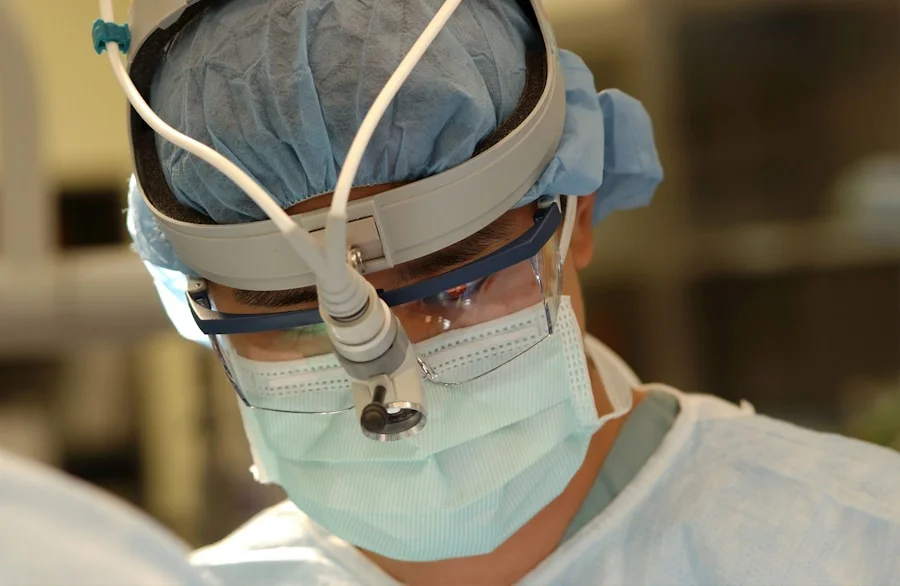
The majority of TMJ disorders are mild and self-limiting, resolving with or without simple conservative management. However, a subset of patients develop persistent or progressive symptoms requiring specialist evaluation and — in some cases — surgical intervention. Dr. Abhisek Chatterjee provides specialist TMJ assessment and the full range of surgical options at Rampurhat, Birbhum.